
by Aquatic Media Press Staff
For more years than we care to count, we’ve been having the same discussion with fellow aquarists about the growing need for an association that could represent, improve, and protect the aquarium trade. Our hobby is regularly under attack by a relatively small but extremely vocal group of parties intent on legislating us out of existence, and we are beyond pleased to announce that the organization we’ve been waiting for is finally here. Longtime aquarium hobbyist and attorney Art Parola has launched the United States Aquarium Association (USAQUA), an advocacy organization that will tackle legislative and regulatory challenges for the aquarium trade and hobby. USAQUA is a sister organization to the United States Association of Reptile Keepers, more commonly known as USARK. USAQUA will also work closely with the Pet Advocacy Network (PAN).
USAQUA is a 501(c)(6) science, education, and conservation-based advocacy organization, dedicated to the responsible private ownership and trade in fishes, corals, invertebrates, and other aquarium life. USAQUA supports sustainable fisheries, aquaculture development, sound husbandry, and escape-prevention protocols, while advancing an integrated approach to conservation. They work to unite government agencies, the scientific community, and the private sector in shaping effective, science-based policies. Their foremost priorities are defending the rights of keepers, safeguarding the health of aquatic animals, ensuring public safety, and protecting ecological integrity.
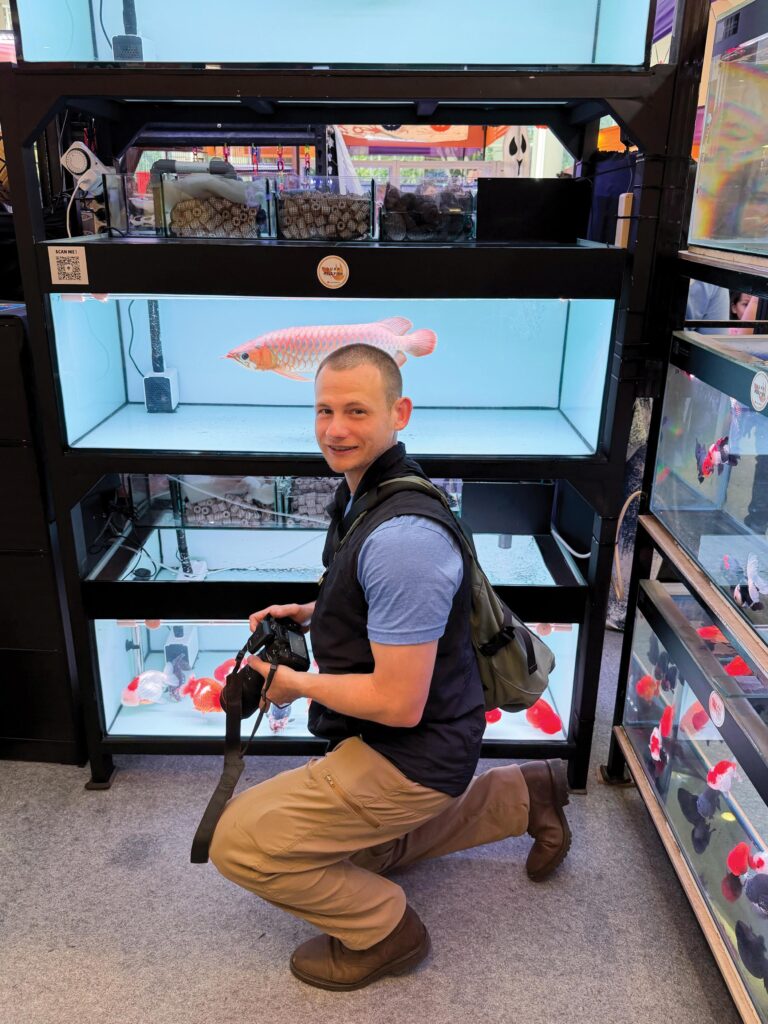
This organization may have just officially launched to the public, but they have been active behind the scenes for several months already. Last year, the Arizona Game and Fish Department proposed a rule that would have prohibited import, sale, and possession of a significant number of common aquarium fishes, including all species of arowana, glass catfishes, Pictus catfishes, and all other catfish species in the family Pimelodidae. After testimony by USAQUA President Art Parola alongside the Arizona United Animal Care and Business Coalition and PAN, the proposed rule was revised, and the Department narrowed the scope of the proposed prohibitions, excluding most common aquarium species from the proposal.
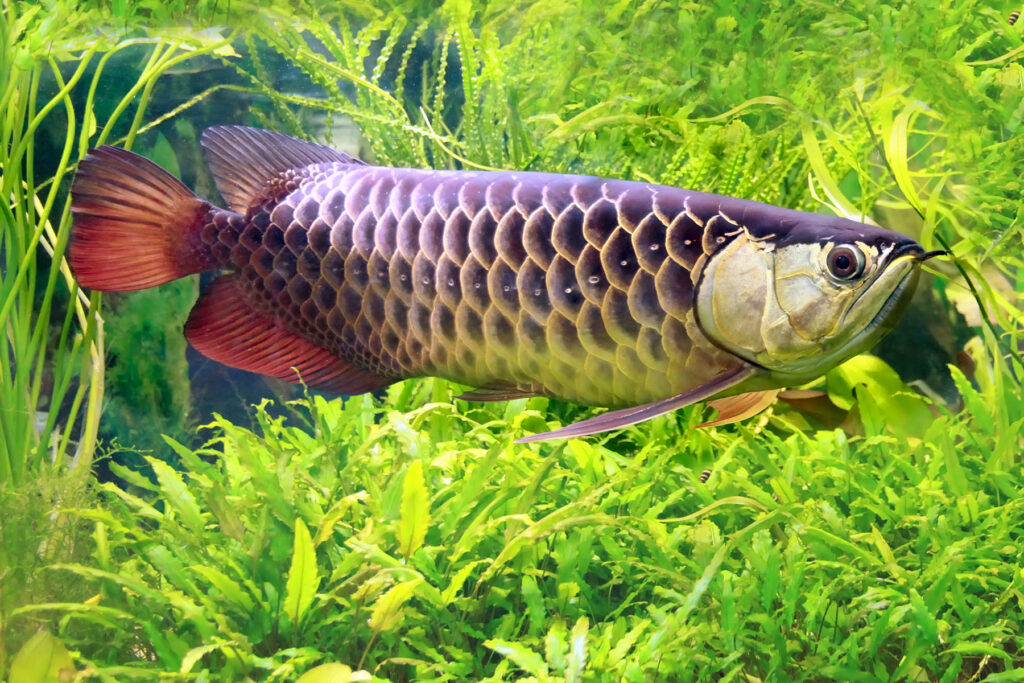
The biggest news from USAQUA though comes from their recent efforts to end the ban on Scleropages formosus (Asian Arowana) in the U.S. This species has been banned from import into the U.S. since 1976, when the species was listed by U.S. Fish and Wildlife Service (USFWS) as Endangered under the Endangered Species Act (ESA). Since then, advances in aquaculture have led to large-scale captive breeding of the species. Today, it is a popular aquarium fish legally available in most countries.
Under the ESA, the USFWS is obligated to perform a status review every five years for each species listed under the law. However, despite this requirement, the agency has neither completed such a review for the Asian Arowana during the 50 years since it was listed, nor produced a recovery plan for the species. Meanwhile, international trade in the species is already regulated by the Convention on International Trade in Endangered Species of Wild Fauna and Flora (CITES), which permits trade only in captive-bred individuals produced by registered, compliant facilities. As a result, the ESA listing largely duplicates protections already provided under CITES and does not directly enhance conservation of wild populations. Instead, the ESA restrictions primarily limit captive breeding and lawful trade by prohibiting importation and interstate commerce within the U.S.
In November 2025, USAQUA submitted a petition to the federal government requesting that imports and interstate trade of S. formosus bred at CITES-registered facilities be permitted in accordance with CITES regulations. The ESA requires federal agencies to evaluate such petitions and issue an initial determination within 90 days. According to USAQUA, USFWS did not act on the petition within the timeframe established by the statute. Consequently, the organization has filed a notice of intent to sue in order to compel the agency to review the petition. USAQUA plans to pursue all available legal avenues to challenge what it considers an unjustified and unreasonable prohibition on the Asian Arowana in the U.S.
This is a strong start for USAQUA, and we hope to see more movement like this as the organization grows.



Fantastic!
Great job Art.
Congratulations, Art! This is a huge accomplishment and a long term vision that is desperately needed.
Maybe USAQUA can get the ban on Channa revised as well. Allow certain small species like Ornate and Rainbow Snakeheads to be imported into the states and/or bred here.
We must balance the needs of aquatic beings and the environment with our desire to house them in aquariums. The aquarium trade has caused massive damage and trade associations and lobbyists are concerned primarily only with profits while claiming that they care about nature.
The pet trade has devastated Florida’s eco-systems with released imports and Caribbean coral reefs with Lionfish. There are dozens of credible articles in peer-reviewed journals that document this. Freshwater species have already collapsed by more than 80%, partially due to invasive species released by aquarists and fish farms. The capture of some wild fish, such as those in Lake Malawi and Tanganyika is also a major problem.
It is also true that government often doesn’t fully understand the issues and some of its regulations are misguided. However, more effective regulation is needed, not less.
We need an approach that actually prioritizes nature over profits and an industry that promotes sound regulation. I doubt that US AQUA will do that.